

Skip links
PRODUCTS

Antifouling Systems

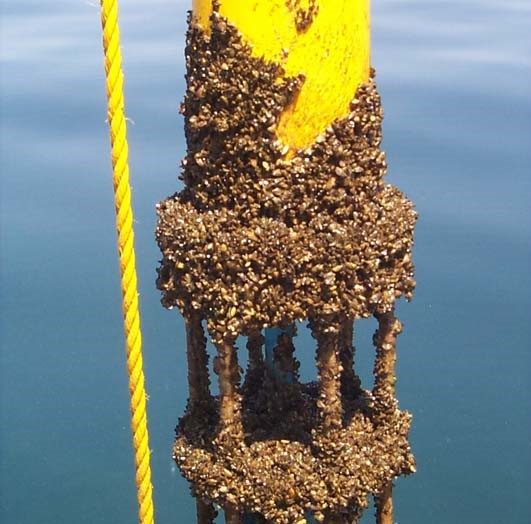
These systems represent a sustainable, chemical-free technology designed to prevent the accumulation of marine growth and mineral scale in both maritime and industrial environments.

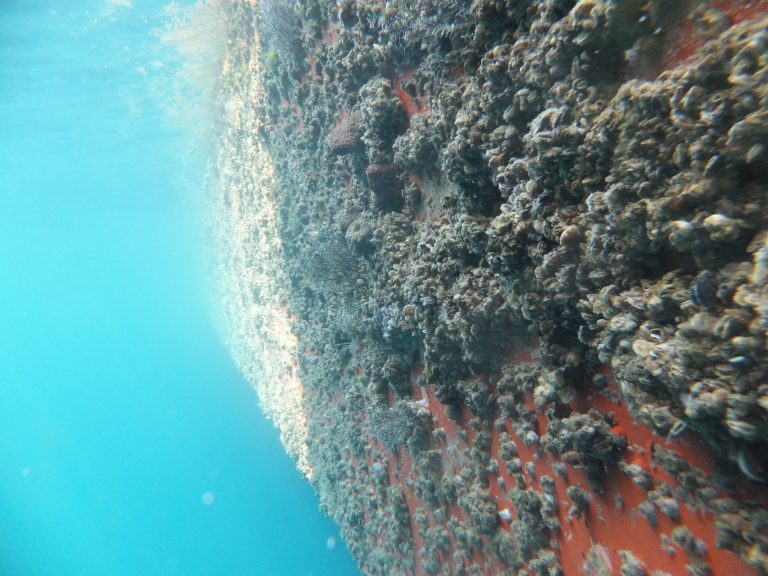
By utilizing high-frequency sound waves (ultrasound) to create microscopic pressure fluctuations, these systems disrupt the formation of the initial "biofilm" that allows algae, barnacles, and mussels to attach to surfaces.

In the maritime sector, this technology is primarily used to keep ship hulls, propellers, and sea chests clean, significantly reducing fuel consumption and maintenance costs.

In industrial applications, it is a critical tool for maintaining efficiency in cooling towers, heat exchangers, and intake pipework, where it prevents biological clogging and scale buildup without the need for toxic biocides or expensive manual cleaning.

Main Features provided by our Ultrasonic Antifouling systems

Reliability and Redundancy: run 24/7 and are equipped with "fail-safe" features, such as alarms that notify the crew or plant operators if a transducer or power supply fails.

Welded Transducers: it is proven that a welded transducer is much more reliable than a bonded transducer.

Low Power Consumption: don't drain batteries, being energy-efficient.

Integration with Management Systems: communicate with the ship’s bridge or industrial SCADA/BMS via Modbus or NMEA2000 for remote monitoring.

Scalability: more transducers may be added as the equipment to be protected expands or if "hot spots" of fouling are identified after the initial installation.

Compliance: environmental regulations are met (e.g., IMO Biofouling Guidelines) as well as insurance requirements.

Shipyards and EPC contractors can count on our support

Transducer Mapping & Placement Plans: Contractors need precise engineering drawings showing exactly where to weld transducers to ensure maximum vibration coverage across the hull or pipework.

Commissioning: On-site or remote support from the manufacturer to verify that the transducers are correctly installed and vibrating at the right frequency.

Cabling & Shielding Specifications: we provide clear guidelines on cable lengths and electromagnetic interference (EMI) shielding to ensure the ultrasound doesn't interfere with sensitive sonar, GPS, or industrial sensors.

Training & Documentation: comprehensive manuals and "train-the-trainer" sessions for the shipyard’s electrical team to ensure they can troubleshoot basic issues during the warranty period.

CONTACT US

Ready to get started?
Get in touch.

Send a message